

Your first land purchase will involve at least four people you have never met before, the seller, a lawyer, a banker, and a registry officer. Each of them will assume you already know how this works.
Here is the walkthrough we wish someone had given us on our first deal.
Step 1: Shortlist properly
Pick a location first, farm land specifications second. A great farm land in the wrong location ages badly; an average farm land in a fast-growing micro-market makes you look like a genius.
Shortlist 8–10 options, visit 4–5, and seriously consider 2. Anything more and you'll buy nothing.
Step 2: Visit at the right time
Go on a weekday morning to assess traffic and access, and again on a weekend evening to see how the area actually feels. Both visits matter.
Bring a measuring app, a notebook, and a list of yes/no questions, not just impressions.
Hidden costs of a first farm land
On a ₹40 lakh farm land, what most first-timers forget to plan for.
- ₹3.2 L
- Stamp duty + registration
- ₹25 k
- Independent legal opinion
- ₹1.5 L
- Basic boundary wall
- ₹40 k
- Mutation + misc. fees
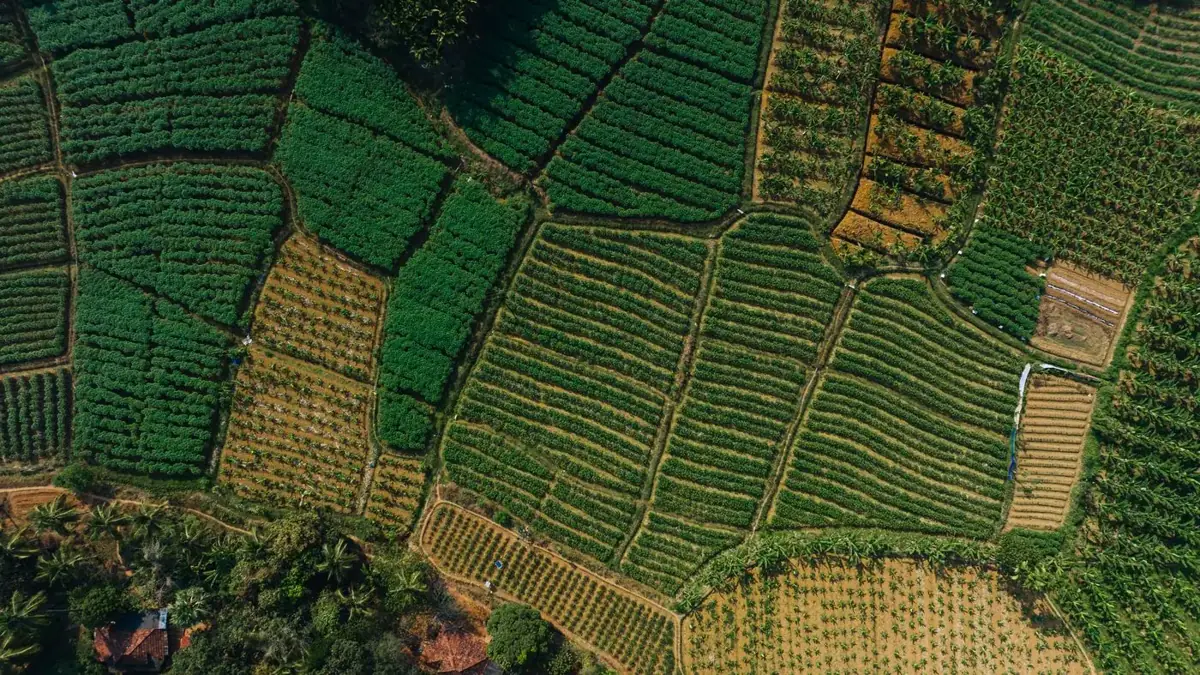 From the air
Step 3: Ask for the document set
Title chain, mother deed, mutation, EC, RERA certificate, layout approval, conversion order, latest tax receipt. Eight documents. If any are missing or 'will come soon', that is your answer.
Step 4: Hire your own lawyer
Not the seller's lawyer, not the broker's lawyer. Pay ₹15,000–₹30,000 for an independent legal opinion. It is the cheapest insurance you will ever buy.
 Paperwork
Try the numbers yourself
Value today
₹97.5 L
Projected value after 5 years
₹1.88 Cr
Potential gain of ₹90.2 L on paper.
Indicative only. Actual rates depend on the parcel, road access and paperwork status.
Step 5: Token, agreement, registry
Token: 5–10% to block the farm land, refundable terms in writing. Agreement to sell: full payment plan and timelines. Registry: balance payment, stamp duty, possession on the same day.
Each step has its own paperwork, don't compress them to save time.
Step 6: Mutation
Within 30 days of registry, apply to mutate the land record in your name. Until mutation is complete, the seller is still the legal owner in the land records.
 Air quality
Step 7: Boundary and signage
Get a boundary wall up, even a basic one, within 90 days of possession. It establishes physical control and prevents encroachment.
Step 8: File the first tax
Pay your first land tax in your own name. It anchors the ownership record and gives you a clean paper trail from day one.
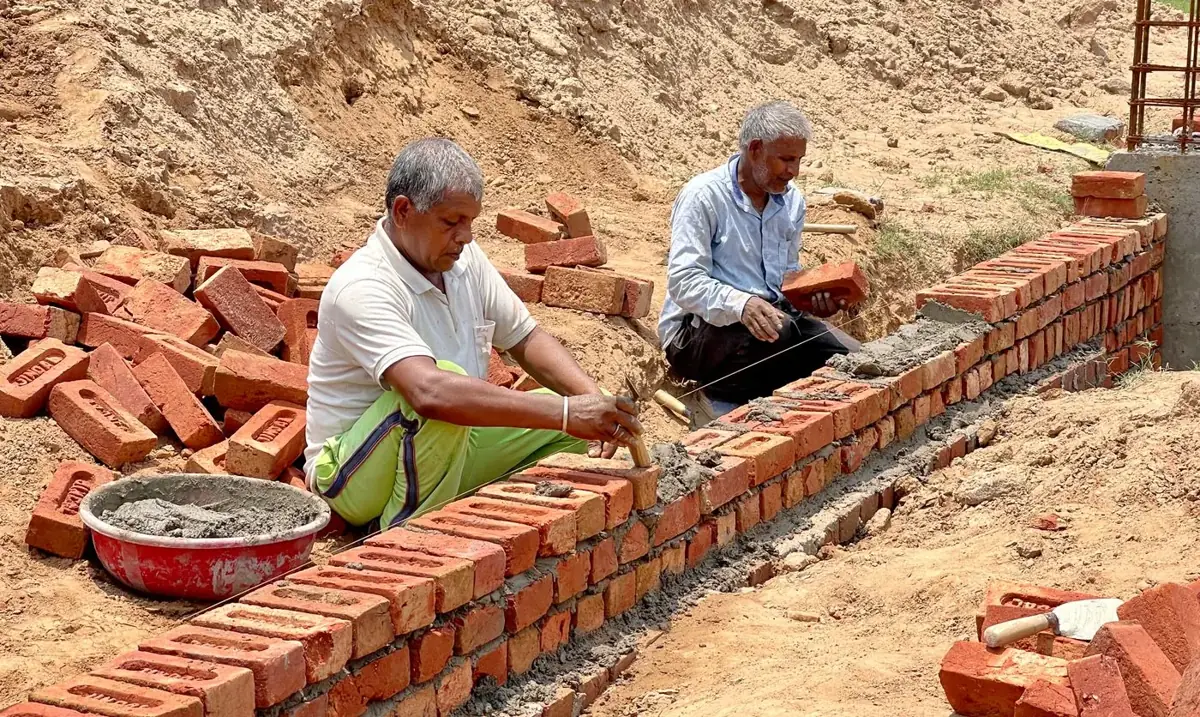 Building on it
Build the budget backwards
Start from the all-in number you are comfortable with, then subtract stamp duty and registration, the legal pack, mutation, boundary and services, and a contingency of about ten percent. What remains is your land budget, usually fifteen to twenty percent below the figure buyers start with.
Doing this first saves the most common first-timer mistake: committing at the top of the range and then having nothing left to fence, water or build on the land.
A realistic timeline
From first call to registry, allow four to eight weeks if the paperwork is clean: a week to shortlist, a site visit, two to three weeks for legal verification, and then the registry slot. Add six to eight months if you are building.
Anyone compressing that timeline for you is compressing the verification, not the bureaucracy.
From the airBring the people whose opinion decides it
Bring your partner, and bring whoever will be spending the most time there. Farm land decisions get unwound by a family member who never saw the ground.
Bring your own lawyer if you have one. We would rather your lawyer read our file than have you take our word for it.
Go deeper