
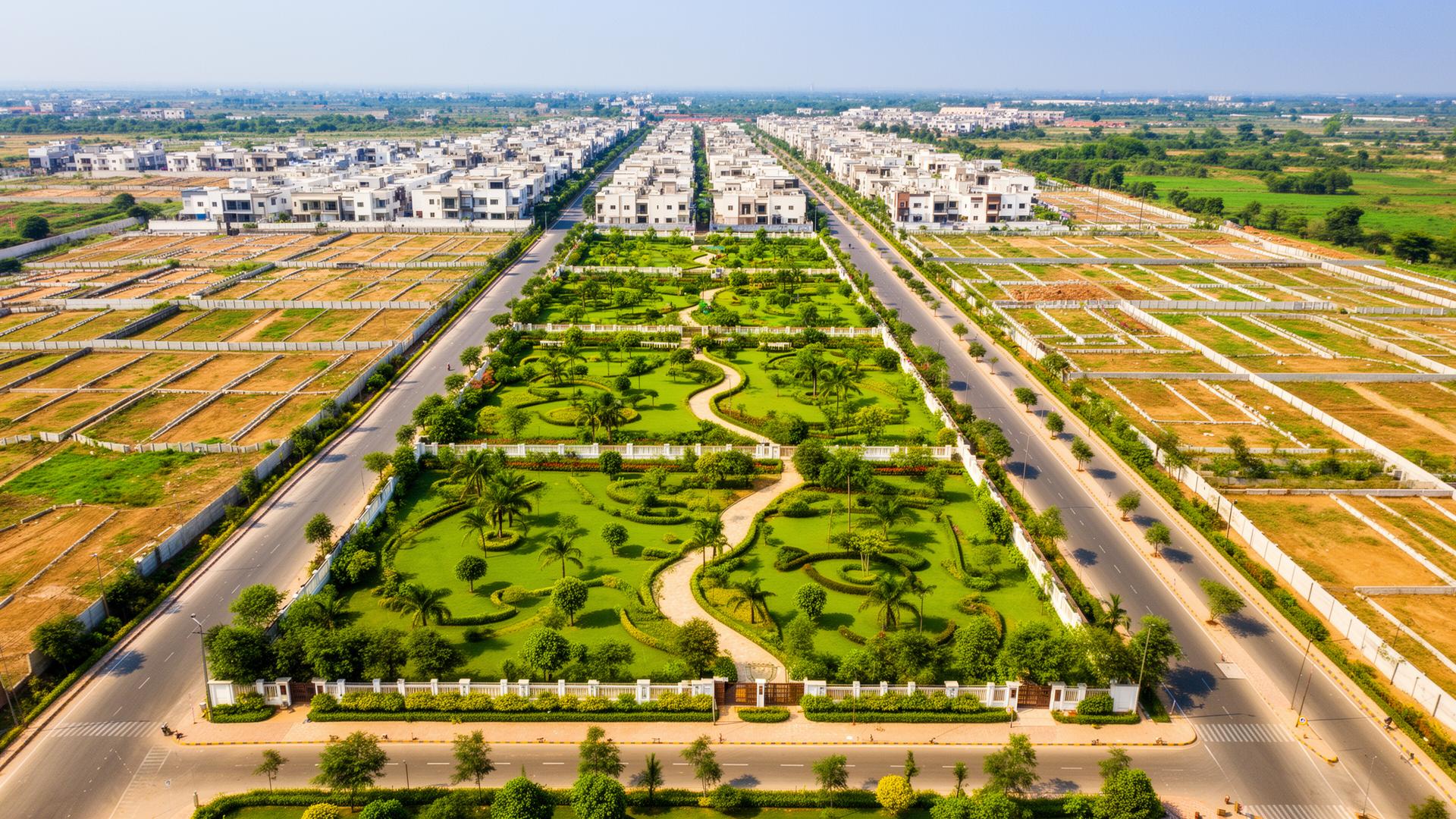
For most of the last decade, the smart Indian land money has been moving away from the metros and into the tier-2 corridors that connect to them.
The reasons are boring (infrastructure spend, employment dispersal, lower entry tickets) and the returns are not.
Why tier-2 is winning
Three forces are stacking. National highway expansion is shortening drive times between metros and their tier-2 satellites. Tech and GCC employment is dispersing — Pune, Hyderabad, Coimbatore now host functions that used to be Bangalore-only.
And the absolute entry ticket is still small enough to attract first-time investors who got priced out of the metros a decade ago.
Corridors worth a serious look
Delhi–Jaipur via the new expressway. Bangalore–Mysuru via the 10-lane. Mumbai–Pune via the old expressway, with new pull from Karjat and Lonavala. Chennai–Bengaluru industrial corridor. Each has 3–4 micro-markets that are pricing 30–40% below comparable metro suburbs.
Tier-2 corridor snapshot
Median farm land CAGR across our 4 most active corridors, 2018–2025.
- 13.4%
- Delhi–Jaipur
- 12.1%
- Bangalore–Mysuru
- 11.7%
- Mumbai–Pune
- 10.8%
- Chennai–Bengaluru
What to actually buy
Stick to RERA-registered planned developments in approved layouts. Avoid 'farmhouse' marketing on unconverted agricultural land — that is a different game.
Target half-sq. yd. to 1-sq. yd. farm lands with boundary wall and water connection. Ticket sizes of ₹25–60 lakh have the deepest buyer pool for resale.
What timeline to expect
Plan for 5–7 years. The first two are quiet, the next two see infrastructure delivery, and years 5–7 see the price catch-up. Selling earlier means leaving money on the table.