
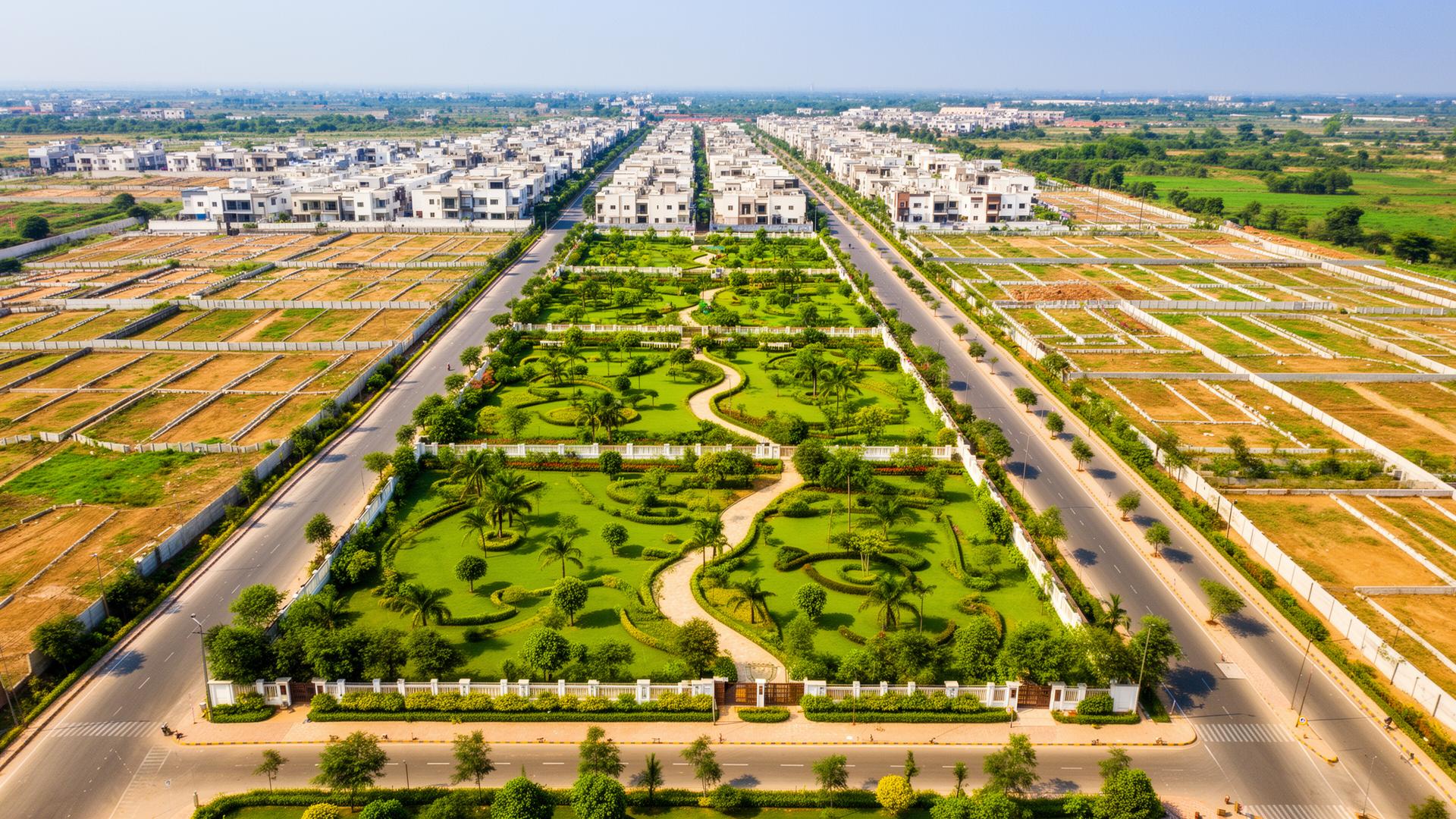
Buying a farm land in India looks simple from the outside and gets layered the moment you start. The seller hands you a brochure, the broker pushes for a token amount, and somewhere between the site visit and the registry you realise nobody has actually shown you the title chain.
This is the checklist our team runs on every project before it goes live on Landkhojo. If a farm land can't clear these five checks, we walk away — and we think you should too.
1. Start with the title chain
A title chain is the documented history of every owner the land has had. You want to see at least 30 years of clean, continuous ownership, ideally certified by a lawyer who has no commercial relationship with the seller.
Ask for the parent deed, every subsequent sale deed, and the mutation entries that match. If anyone in that chain is missing, untraceable, or held the land for less than six months before flipping it, treat that as a red flag and pause everything else.
On Landkhojo, every listing comes with a title summary you can download before you visit. Walk into the conversation knowing what to ask, not guessing.
2. Pull a fresh encumbrance certificate
An EC tells you whether there is a loan, mortgage, court case, or unpaid tax sitting on the property. Get one yourself from the local sub-registrar office — do not rely on a photocopy the seller gives you.
Ask for an EC covering the last 30 years. It costs a few hundred rupees and takes a day in most states. Skipping it is the single most common reason buyers get stuck after registration.
The 5-check buying funnel
On average, only 1 in 7 farm lands our team reviews clears every check.
- 30 yrs
- Title-chain depth we ask for
- ₹3.2 L
- Stamp duty on a ₹40L farm land (men)
- 5–7%
- Stamp duty range in Haryana
- 1 in 7
- Farm Lands that clear all 5 checks
3. Verify the RERA registration
Most planned developments above a certain size now fall under RERA. The badge on the brochure means you can pull project timelines, approvals, complaints and promoter history from the state RERA portal in two minutes.
If the seller cannot produce a valid RERA number, or the number does not match the project name on the portal, do not proceed. RERA is the first layer of consumer protection you have — use it.
4. Confirm the land use and conversion
Agricultural land cannot be used for residential or farmhouse construction without conversion (CLU in Haryana, NA order in Maharashtra, equivalents elsewhere). A 'farmhouse land' that is still technically agricultural is a future problem.
Ask for the conversion order, the layout sanction from the local authority, and a copy of the approved zoning map. Match the survey number on the order to the survey number on the sale deed — they should be identical.
5. Budget the full stamp duty and registration
Stamp duty in Haryana is 5% for women buyers and 7% for men, plus 1% registration. On a 3,000 sq. yd. farm land at ₹40 lakh, that is roughly ₹3.2 lakh you will pay at the registry counter — in addition to the farm land price.
Build it into your budget from day one. We see at least one buyer a month who has to delay the registry because they did not plan for the stamp duty cheque.
After the five checks
Once a farm land clears all five, the rest is execution: registry slot booking, mutation in your name, possession letter, and the first land tax receipt. Each of these has its own small process — we walk every Landkhojo buyer through it in person.
If you'd like us to run this checklist on a farm land you're considering elsewhere, write to hello@landkhojo.com. We charge nothing for a second opinion.
Go deeper