
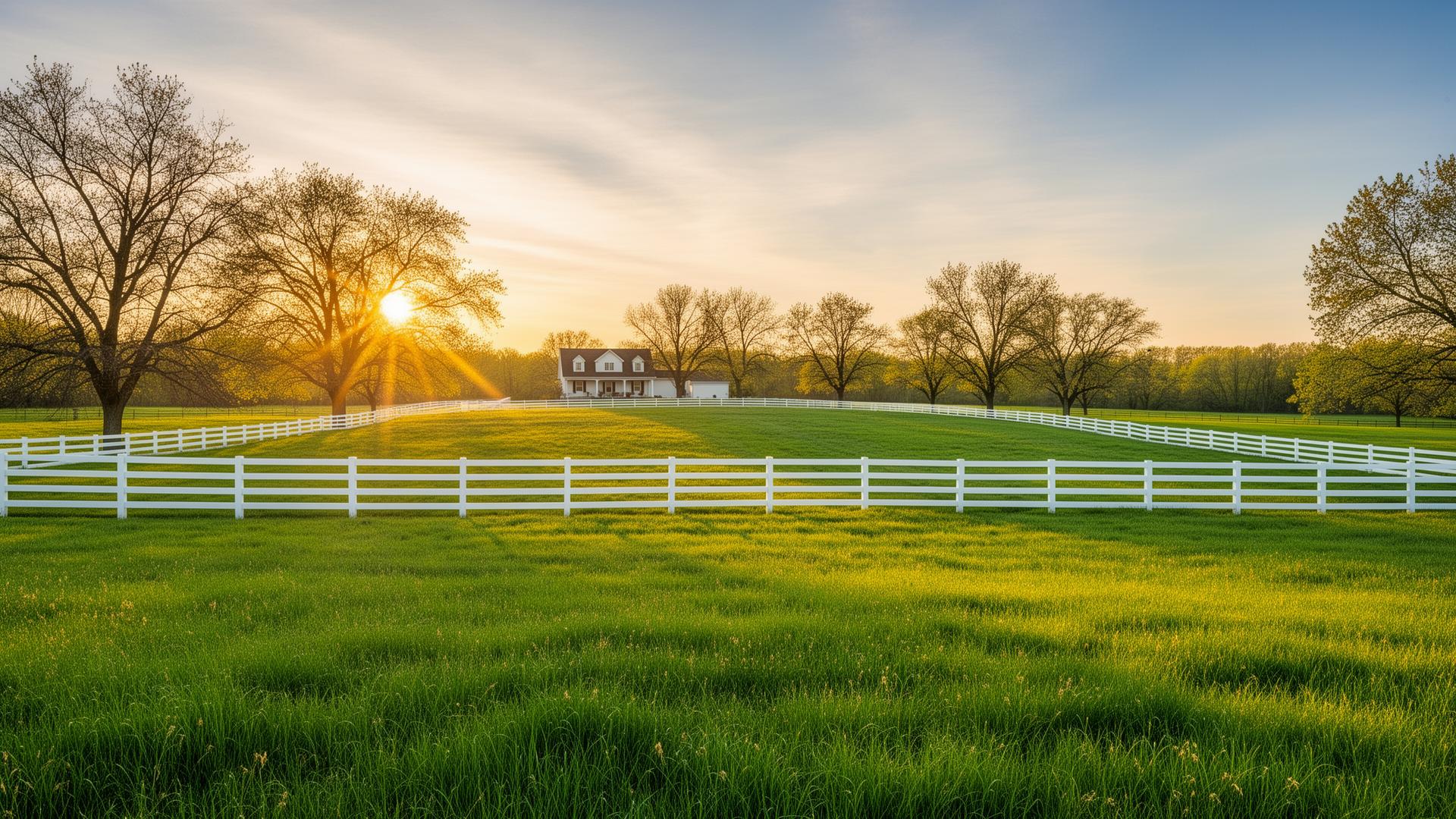
'Farmland or farm land?' is the question we hear most often on a first call. The honest answer is that both work — for different reasons, on different timelines, and with different effort from you.
Here is how we frame it for buyers who are deciding for the first time.
Lifestyle first, returns second
A residential farm land is usually bought to either build a home on or to flip in 3–5 years. A farmhouse land is bought to slow down — weekends in the Aravallis, mango trees, a courtyard you actually use.
If you cannot picture yourself driving out to it on a Friday evening, do not buy a farmhouse. Buy a residential farm land instead — it will give you better returns and less guilt.
How returns actually behave
Residential farm lands in tier-2 cities have averaged 11–14% CAGR over the last decade. Farmhouse land in established belts (Sohna, Manesar, Karjat, Nandi Hills) has averaged 9–12%, with much sharper jumps around infrastructure announcements.
Farmland under-performs in the first two years (no rental yield, no rapid appreciation) and over-performs in years 4–8 once the area matures. Plan your holding period accordingly.
Farm Land vs farmland at a glance
Numbers are 10-year averages across the Delhi NCR and Mumbai-Pune belts.
- 11–14%
- Farm Land CAGR (tier-2)
- 9–12%
- Farmland CAGR
- 60–90d
- Farm Land sale time
- ₹6k/mo
- Avg. farmland caretaker
Holding effort
Residential farm lands need almost no maintenance — a boundary wall, a yearly property tax, occasional weed clearing. Farmhouse land needs a caretaker, a water source, and either crops or trees to keep the land active.
We arrange caretaker services for every Landkhojo farm-land buyer. Budget ₹4,000–₹8,000/month depending on the development level.
Exit and liquidity
Residential farm lands are easier to sell — there are more buyers, financing is straightforward, and the listing-to-sale time is usually 60–90 days in a healthy market.
Farmhouse farm lands take 90–180 days to sell, but command emotional premiums when the buyer falls in love with the location. If you have invested in the build, plantations or a pool, that premium can be 25–40% over land-only comparables.
Go deeper