
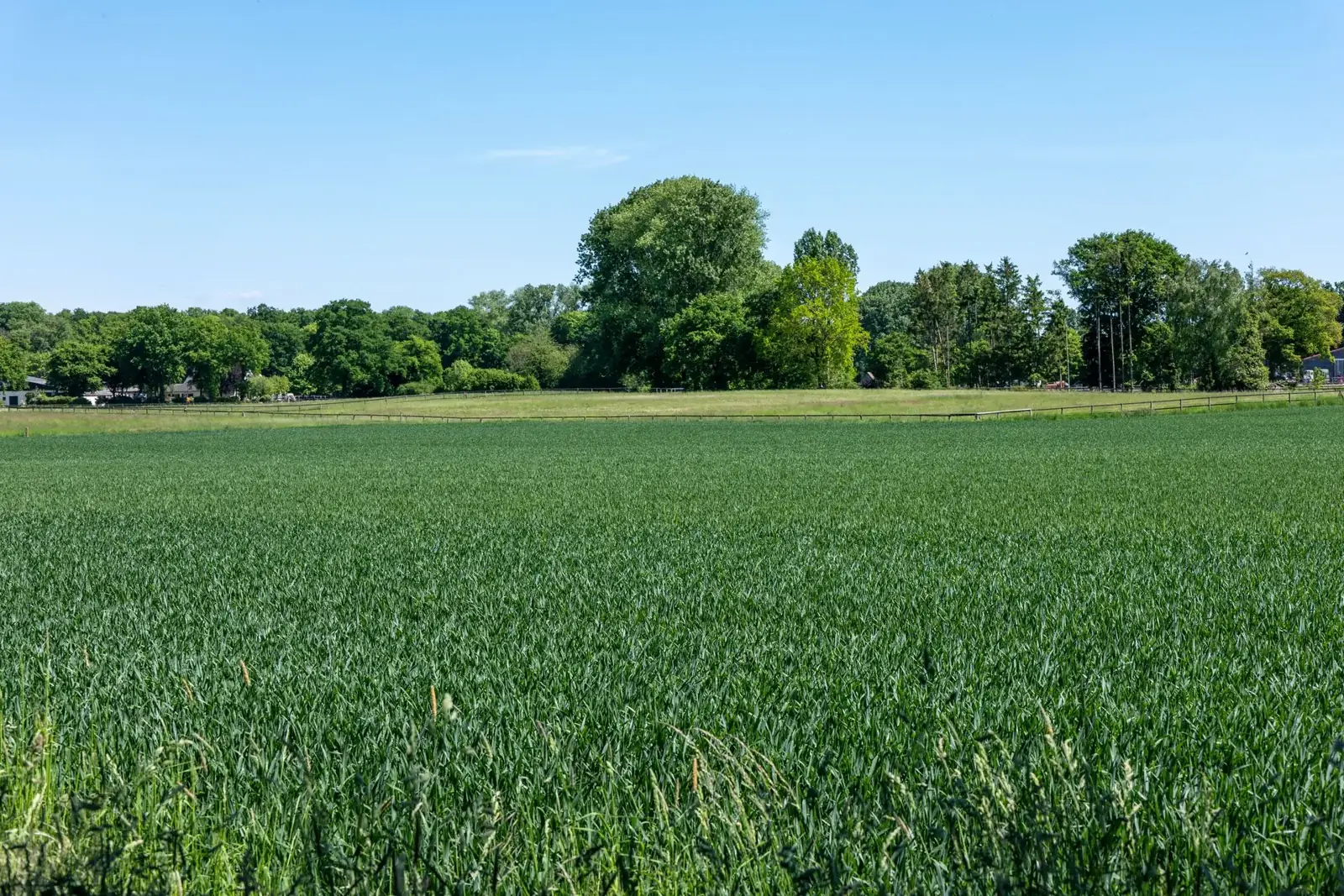
Almost every buyer we meet gives a financial reason for wanting land and an air-quality reason for wanting it now. The spreadsheet says appreciation; the actual trigger was a winter week when the children could not go outside.
This article looks at what the numbers along the Aravalli belt actually show, why the difference exists, and how to verify it yourself rather than taking anyone's word for it.
The gap between the city and the belt
Through the worst months, central Gurugram and South Delhi routinely sit in the poor-to-severe band. Along the Sohna–Naugaon–Alwar stretch, readings on the same evening are typically a full band better, and on clear days the difference is larger still.
It is not a marginal improvement you have to squint at on an app. It is the difference between keeping the windows shut and sitting outside after dinner.
Why the belt breathes better
Three things do the work: traffic density, ground cover and topography. There is a fraction of the vehicle load, far more open and vegetated ground per person, and the Aravalli ridge changes how air moves across the belt.
There is also no industrial neighbour generating a local source, which matters more than distance from the city on a still winter night.
Air on the belt vs central NCR
Indicative winter-evening comparisons observed on owner site visits. Bring your own meter and check.
- 1 band
- Typical AQI improvement
- 45 min
- South Delhi to Sohna
- 4–5 yrs
- Boundary trees to maturity
- Nov–Jan
- Best months to compare
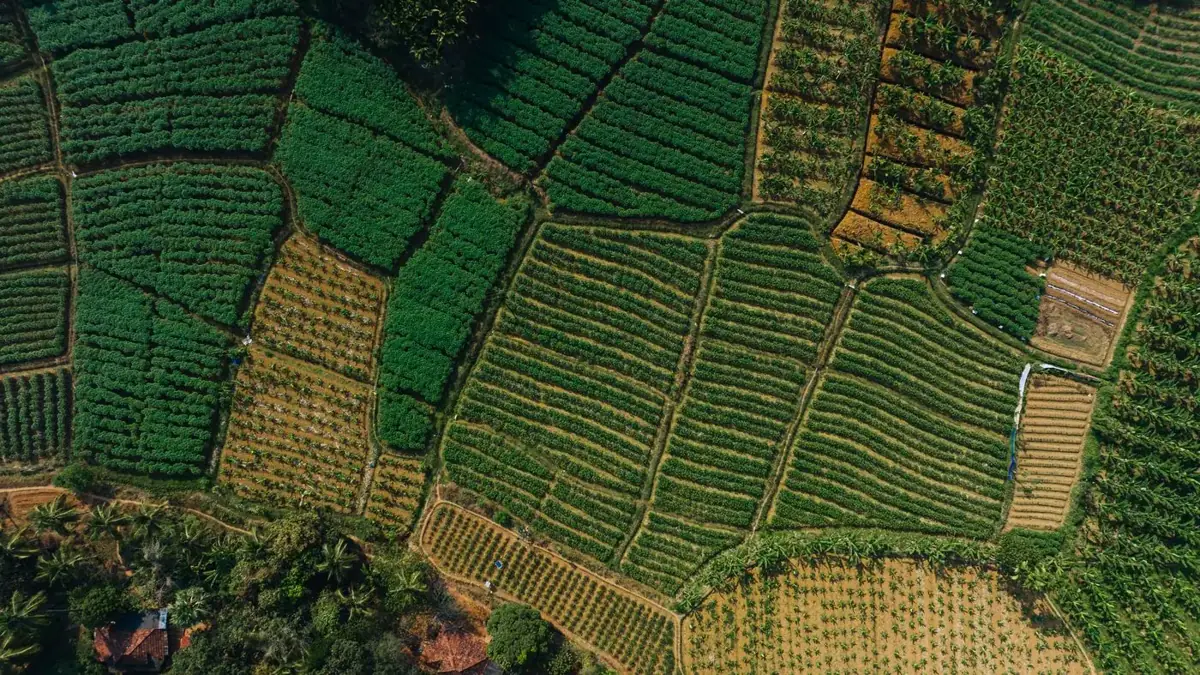 From the air
Measure it yourself, twice
Buy a handheld meter or use one on your phone with an external sensor. Take a reading at your home address in the evening, then take one at the gate of the land at roughly the same hour on your visit.
Do it in November or December if you can. Anyone can look good in August; the belt's advantage is clearest in the months that make people want to leave.
What families report after a year
The consistent feedback is not dramatic: fewer coughs through winter weekends, older parents willing to walk outside, and children who spend the whole visit outdoors. It is a small change repeated often.
We are careful not to make medical claims. What we can say is that owners who bought primarily for air quality are the group least likely to resell.
 Paperwork
Try the numbers yourself
Value today
₹97.5 L
Projected value after 5 years
₹1.88 Cr
Potential gain of ₹90.2 L on paper.
Indicative only. Actual rates depend on the parcel, road access and paperwork status.
Building for clean air
If air is your reason, design for it. Deep verandahs, cross-ventilation and a planted boundary do more for the experience than an air purifier ever will.
A boundary line of neem, jamun and mulberry planted in your first monsoon becomes a genuine wind break and dust filter within four or five years.
Does clean air hold value?
It behaves like any scarcity: as the city's air worsens, ground within a comfortable drive that reliably reads better becomes harder to find and more keenly bid for.
That is one reason the belt inside a 90-minute drive has outpaced land further out, even where the further land is cheaper and equally clean.
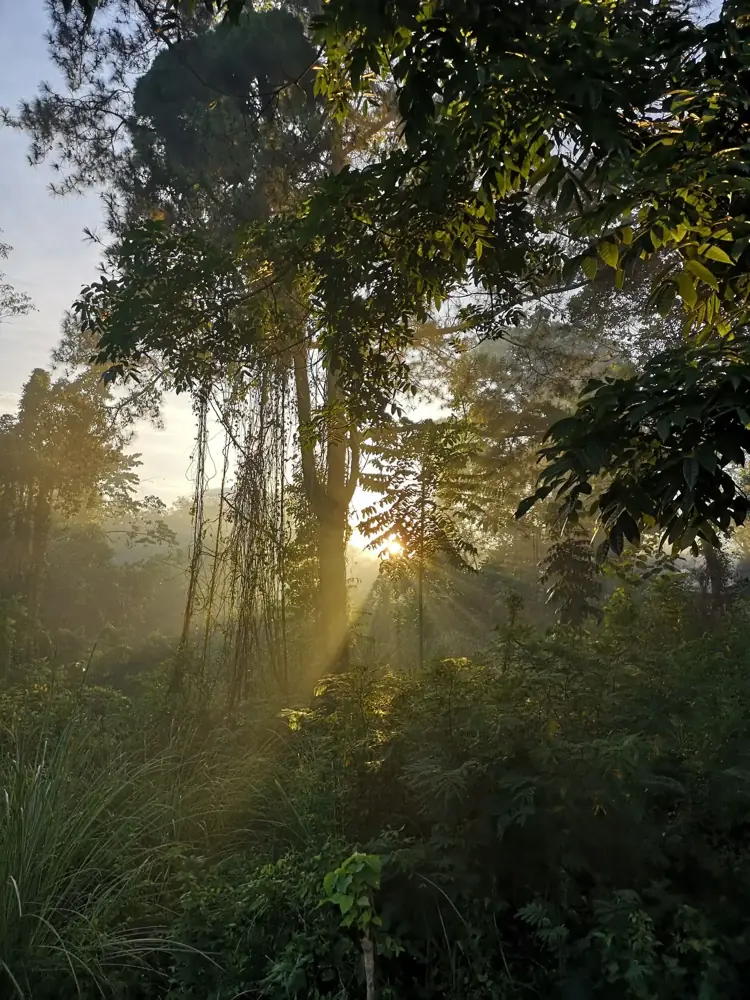 Air quality
Plan the visit around the question
Come in the evening rather than at noon, bring the meter, and stay long enough to sit outside. The decision usually makes itself in the last twenty minutes.
We run visits on any day of the week, and we will happily compare two corridors on the same trip.
Go deeper